WATER FILTRATION GUIDE
Water Filter Not Working: 7 Common Causes
By PureTek Water Filtration · Last updated
Few things are more frustrating than a water filtration system that is supposed to be working, yet your water still tastes off, smells like chlorine, or barely trickles out of the tap. The good news is that most performance problems trace back to a short list of causes, several of which you can spot with a quick look at the equipment.
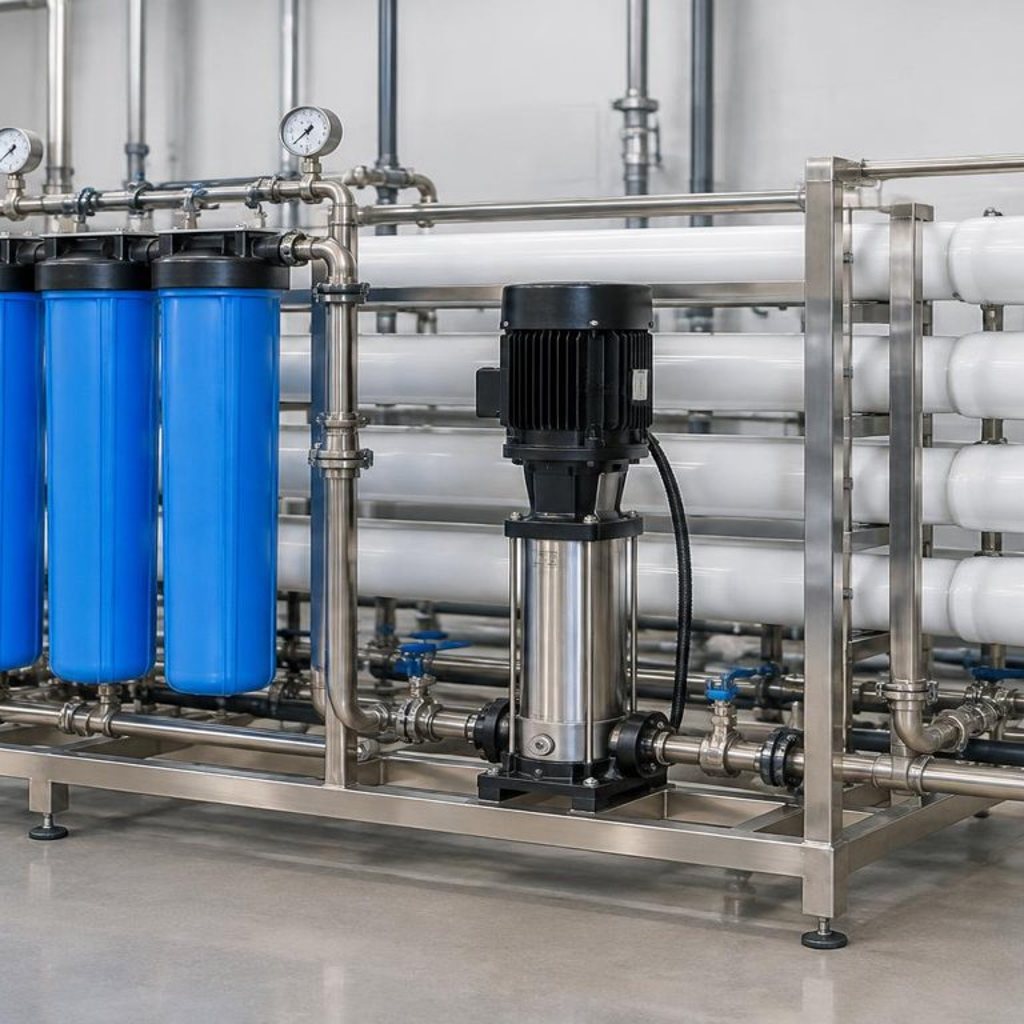
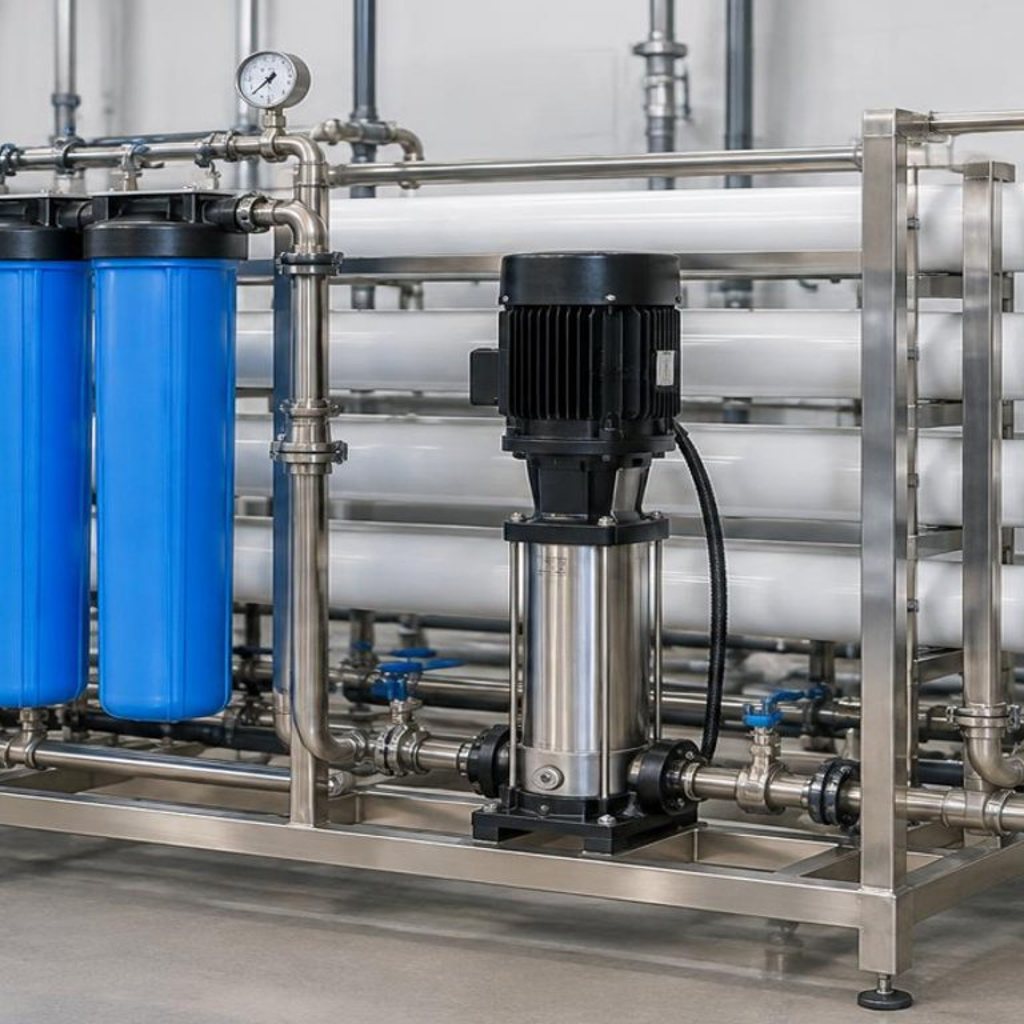
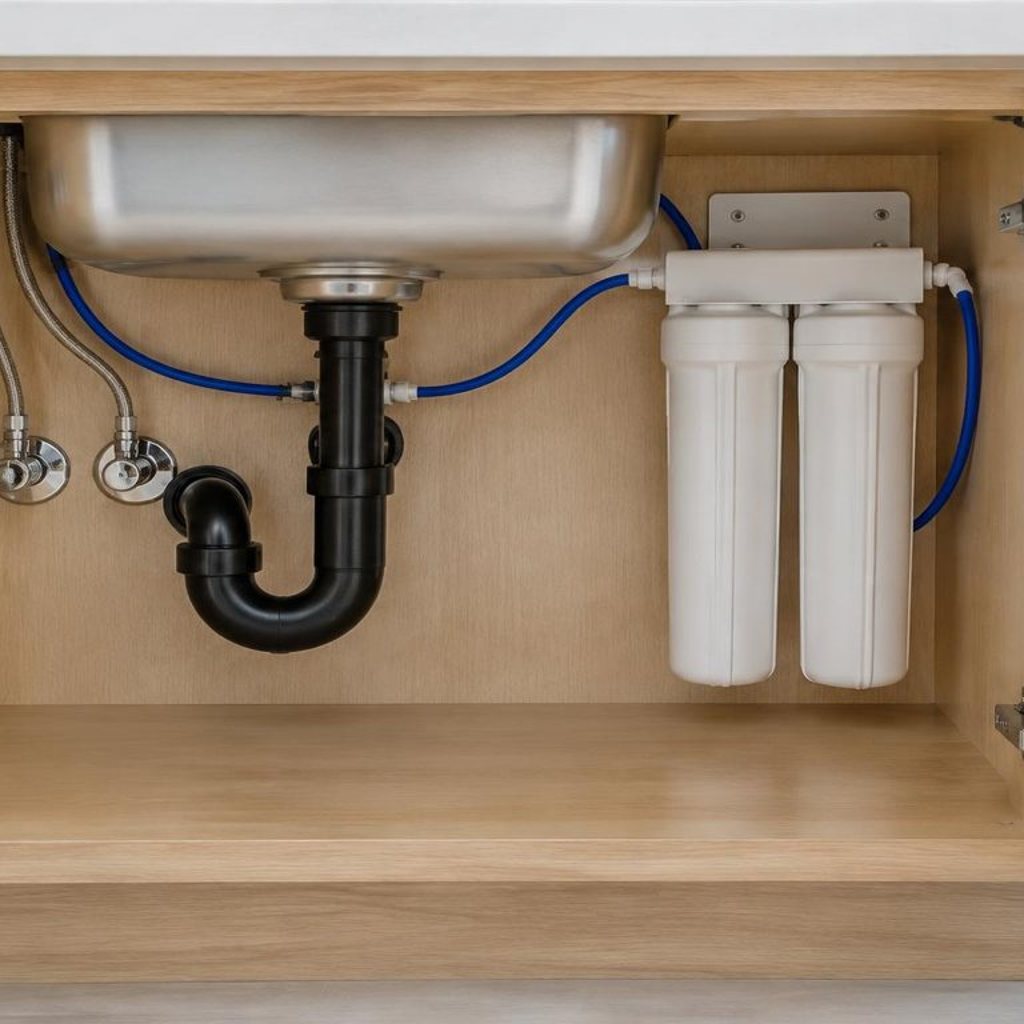
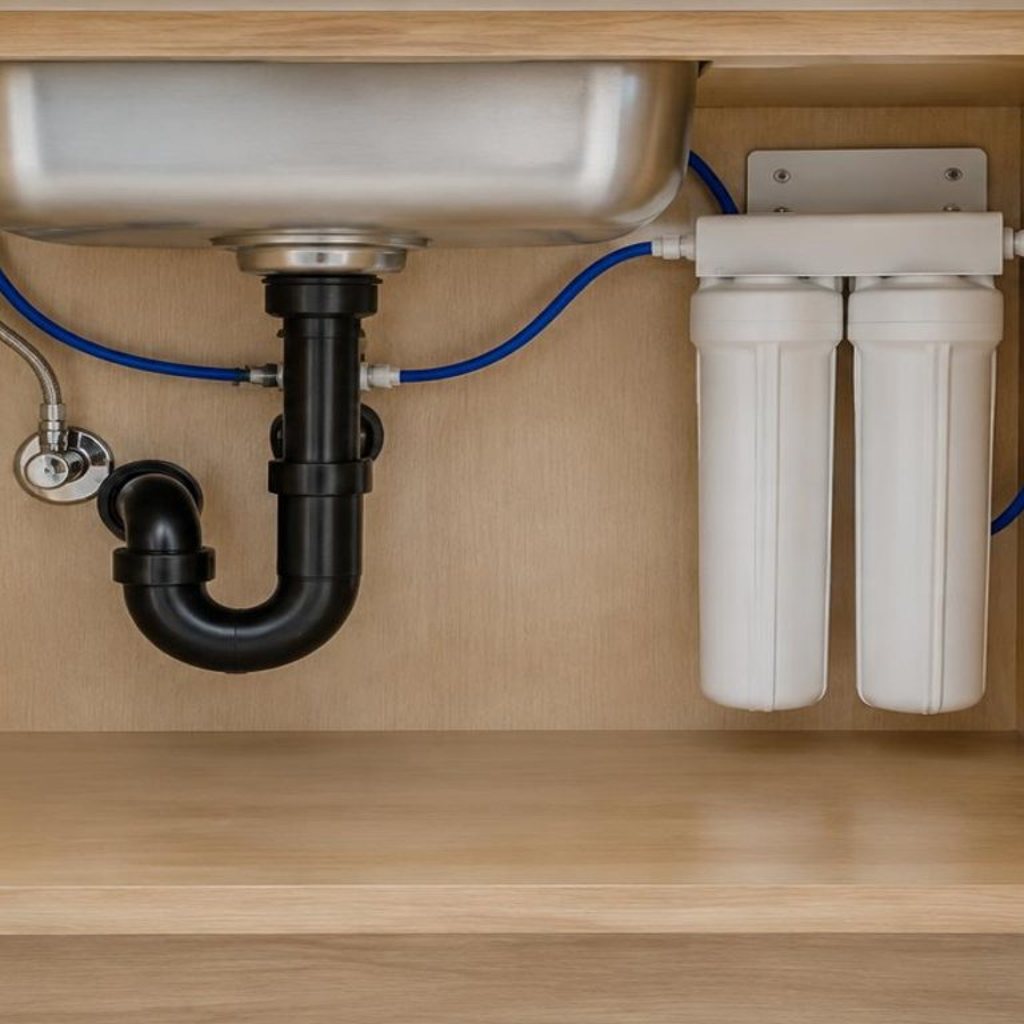
Below are seven of the most common reasons a whole-home filtration, reverse osmosis or softener system stops performing, roughly in order of how often we see them. Always shut off the system's bypass or water supply before inspecting it closely, and leave plumbing and electrical repairs to a qualified technician.
1. Overdue filter or cartridge changes
This is by far the most common cause of poor performance. Sediment and carbon filters have a limited capacity. Once they are saturated, water starts bypassing the media or pushing through without being treated, which shows up as returning chlorine taste, odor or cloudiness. Check the recommended change interval for your system, usually every few months for sediment and carbon stages, and replace filters on schedule rather than waiting for a visible problem.
2. Low water pressure or flow
A clogged pre-filter, a partially closed bypass valve, or mineral buildup in the system's internal passages can all reduce flow noticeably. Check that the bypass valve is in the normal service position and inspect the pre-filter for visible clogging. If pressure dropped suddenly, a clogged filter is the most likely cause; if it has declined gradually, scale buildup is more likely.
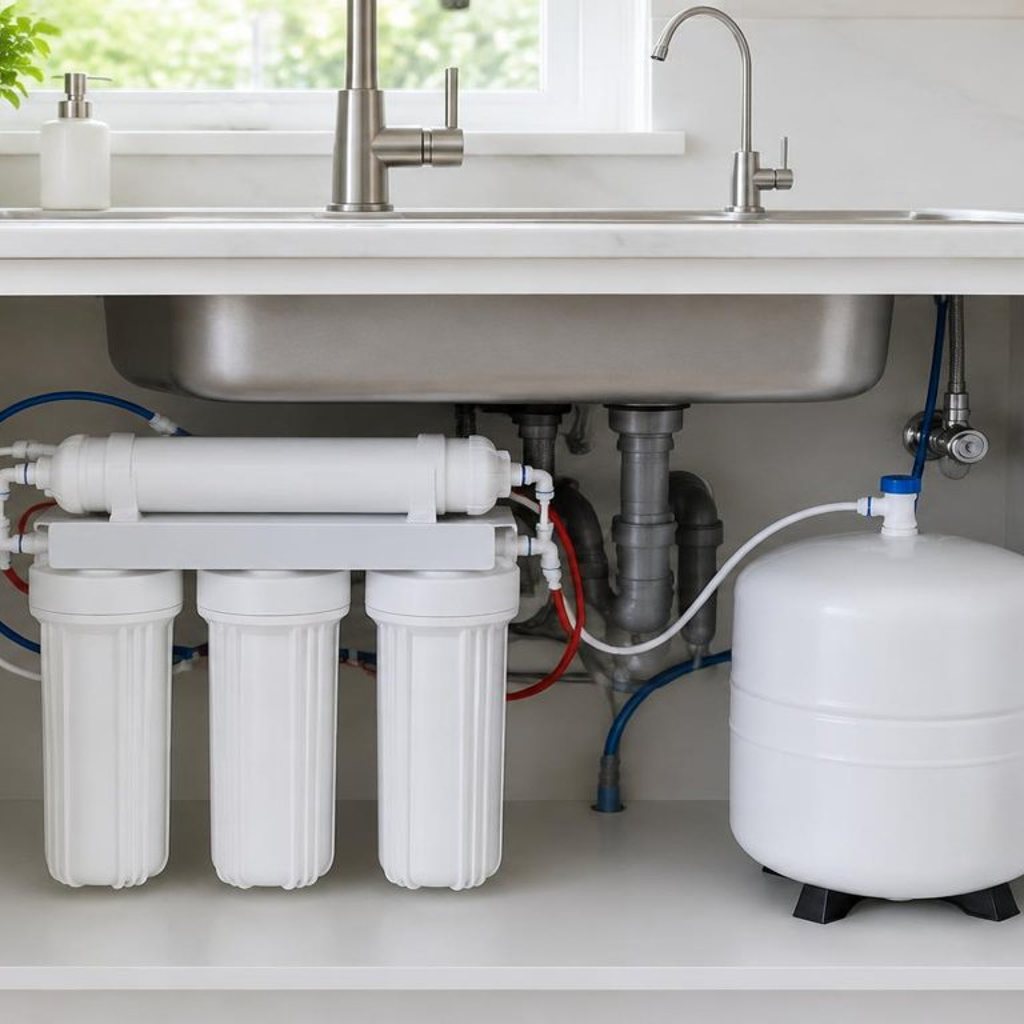
3. Reverse osmosis membrane fouling
An RO membrane that has not been changed on schedule will produce less water and let more dissolved solids through, which can show up as a change in taste or slower fill times on the storage tank. Membranes typically need replacement every two to five years depending on water quality and usage; RO pre- and post-filters are changed more often. A technician can test the water's total dissolved solids before and after the membrane to confirm it is still performing correctly.
4. Water softener resin exhaustion or salt issues
If a softener stops removing hardness, the most common causes are an empty or bridged salt tank, where salt forms a hard crust above the water line and stops dissolving, or resin that has reached the end of its useful life. Check the brine tank for a visible salt bridge and confirm the regeneration cycle is running on schedule. Resin typically lasts ten to fifteen years but can wear out faster with heavy usage or iron in the water.
5. UV lamp or sleeve problems
Systems with a UV disinfection stage rely on the lamp reaching full intensity and the quartz sleeve staying clean. A lamp nearing the end of its roughly one-year lifespan, or a sleeve coated with mineral scale, reduces disinfection effectiveness even though the system still appears to be running normally. Most systems have an indicator light that signals when the lamp needs replacement.
6. Leaks and fitting problems
Water pooling near the system, a slow drip at a fitting, or a drain line that is not keeping up can all point to a worn O-ring, a loose connection, or a cracked housing. Small leaks are worth addressing quickly, since they can worsen and, on a whole-home system, affect the equipment protecting the rest of your plumbing.
7. System sized incorrectly for your household
If a system was undersized for your home's peak water usage or water quality to begin with, it may struggle even when everything is working as designed. This shows up as pressure drops when multiple fixtures run at once, or as a softener or filter that cannot keep pace with your household's actual demand. A technician can confirm whether the equipment matches your usage or whether an upgrade would solve the problem.
What you can safely check first
Before booking a visit, check the date of your last filter or membrane change, look at the bypass valve position, inspect the salt tank on a softener, and note whether any indicator light is on. That information helps a technician arrive with the right parts and can shorten the repair.
Frequently asked questions
The most common reason is an overdue filter or cartridge change. Carbon and sediment media have a limited capacity, and once saturated, water passes through without full treatment. Check your change schedule first; a technician can confirm the cause if the problem continues.
A clogged pre-filter, a bypass valve left in the wrong position, or mineral scale buildup in the system are the most common causes. Clearing or replacing the filter and confirming valve position resolve most cases.
Signs include slower fill times, a change in water taste, or a technician's test showing higher total dissolved solids in the treated water. Membranes typically last two to five years depending on water quality and usage.
Checking filter change dates, bypass valve position and the salt tank is safe. Repairs involving plumbing connections, electrical components or membrane replacement should be handled by a qualified technician to avoid leaks or damage to the system.