WATER FILTRATION GUIDE
Whole-Home Filtration vs. Reverse Osmosis in South Florida
By PureTek Water Filtration · Last updated
South Florida water presents a specific set of challenges: municipal systems that add chlorine or chloramine for disinfection, well water that can carry iron, sulfur or sediment, and a water table that sits close to the surface in much of Palm Beach County. Homeowners who want better water usually end up comparing two very different approaches: a whole-home filtration system installed where water enters the house, and a reverse osmosis (RO) system that polishes water at one or more points of use.
Both can dramatically improve how your water tastes, smells and feels, but they solve different problems and are priced differently. This guide walks through what each system actually does, how they compare side by side, and how to decide which one, or which combination, makes sense for your home.
What a whole-home filtration system does
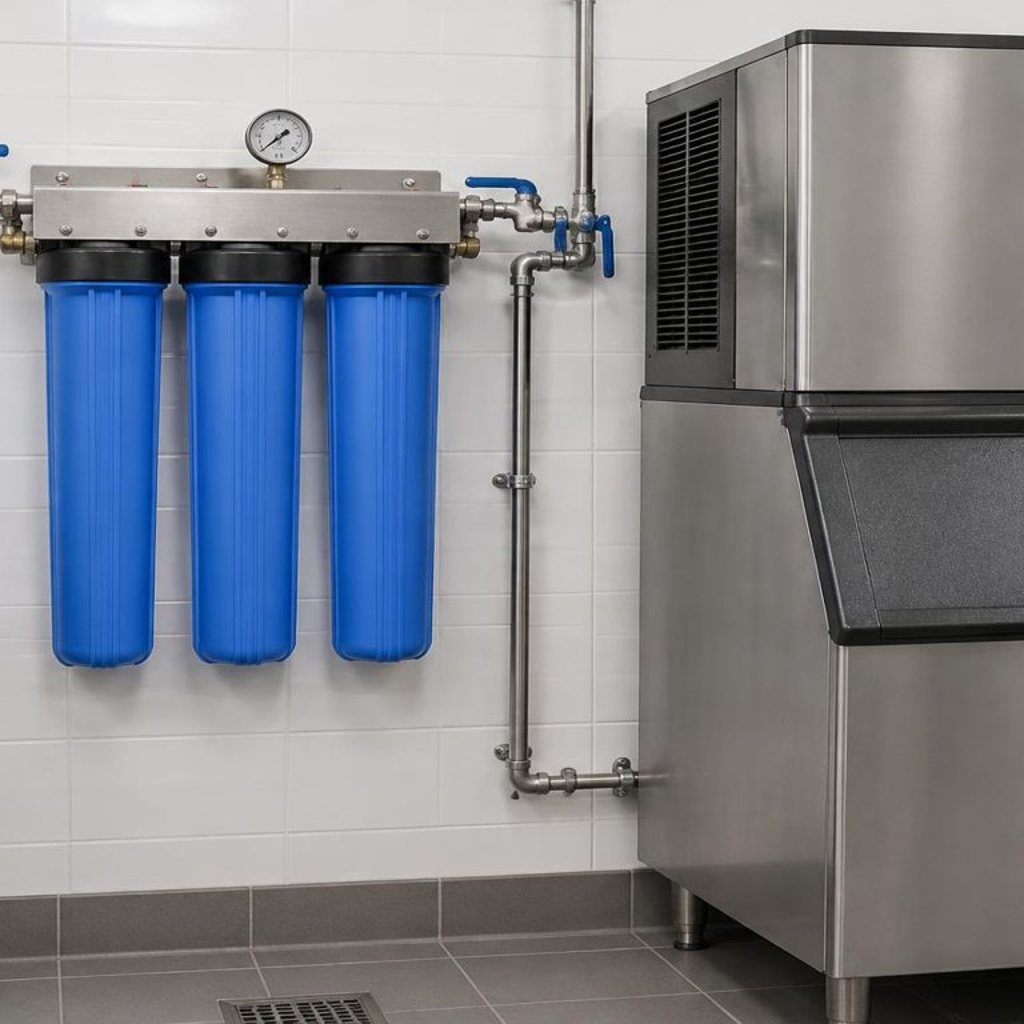
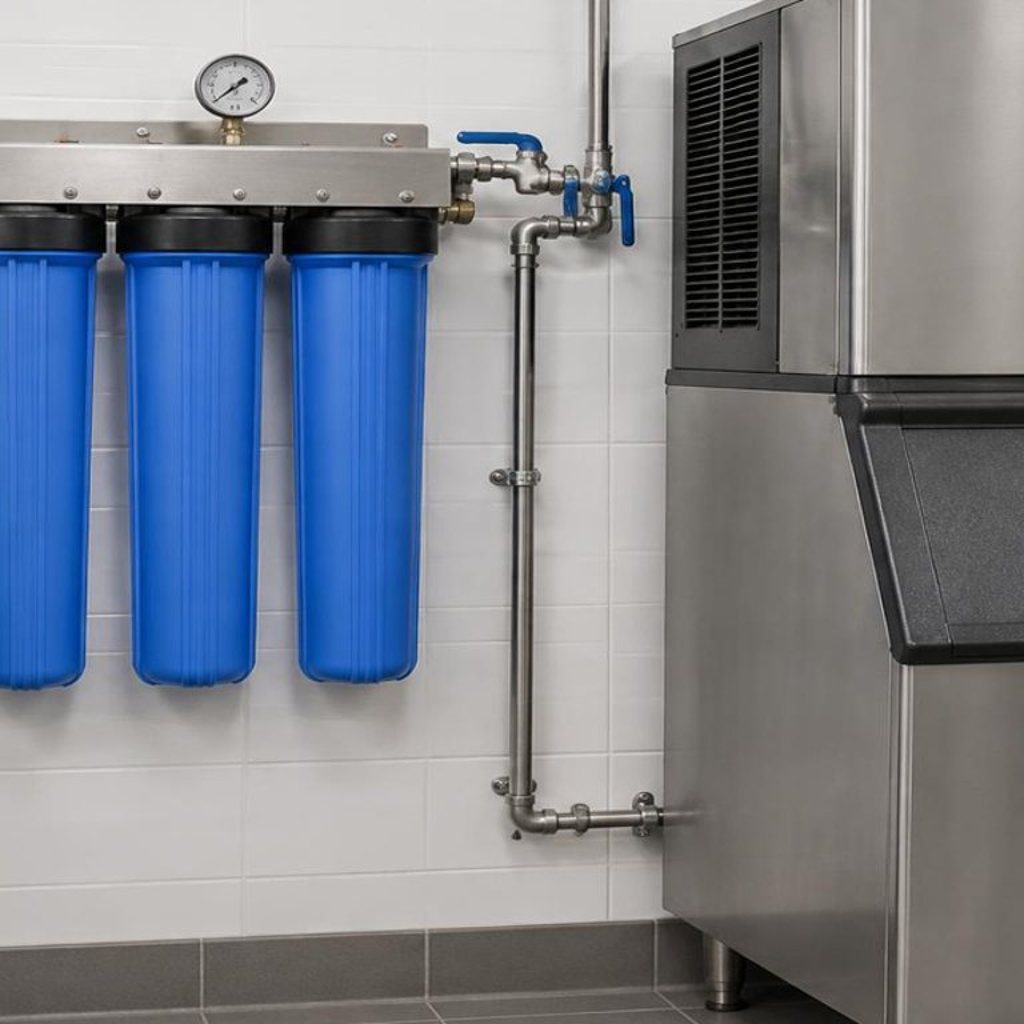
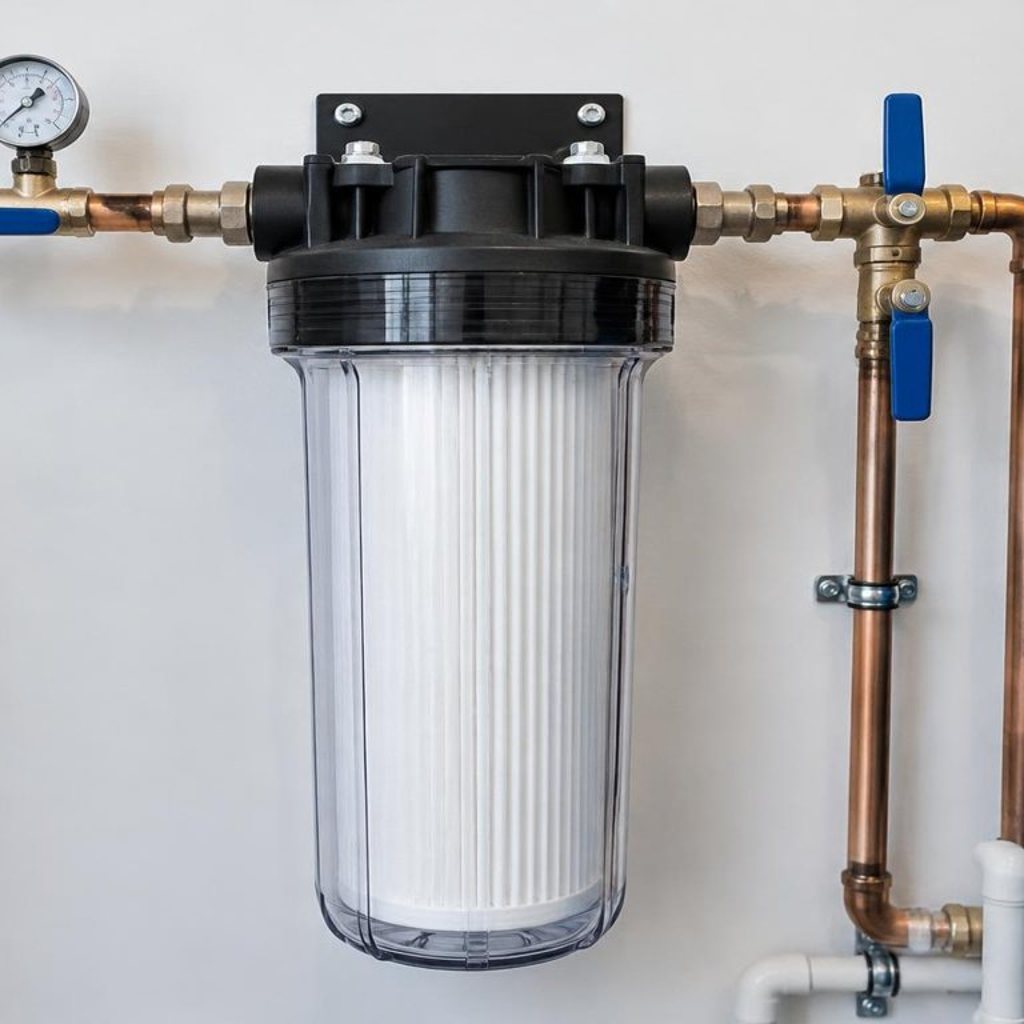
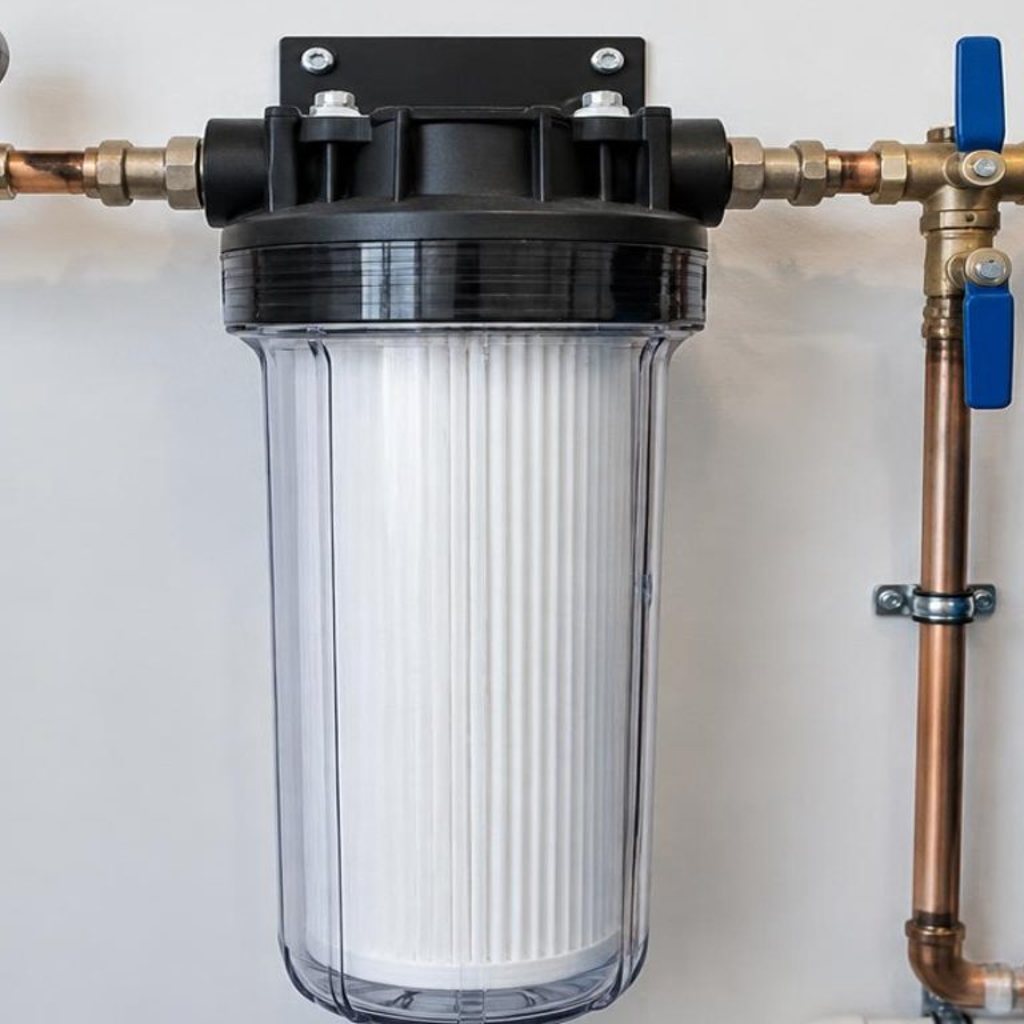
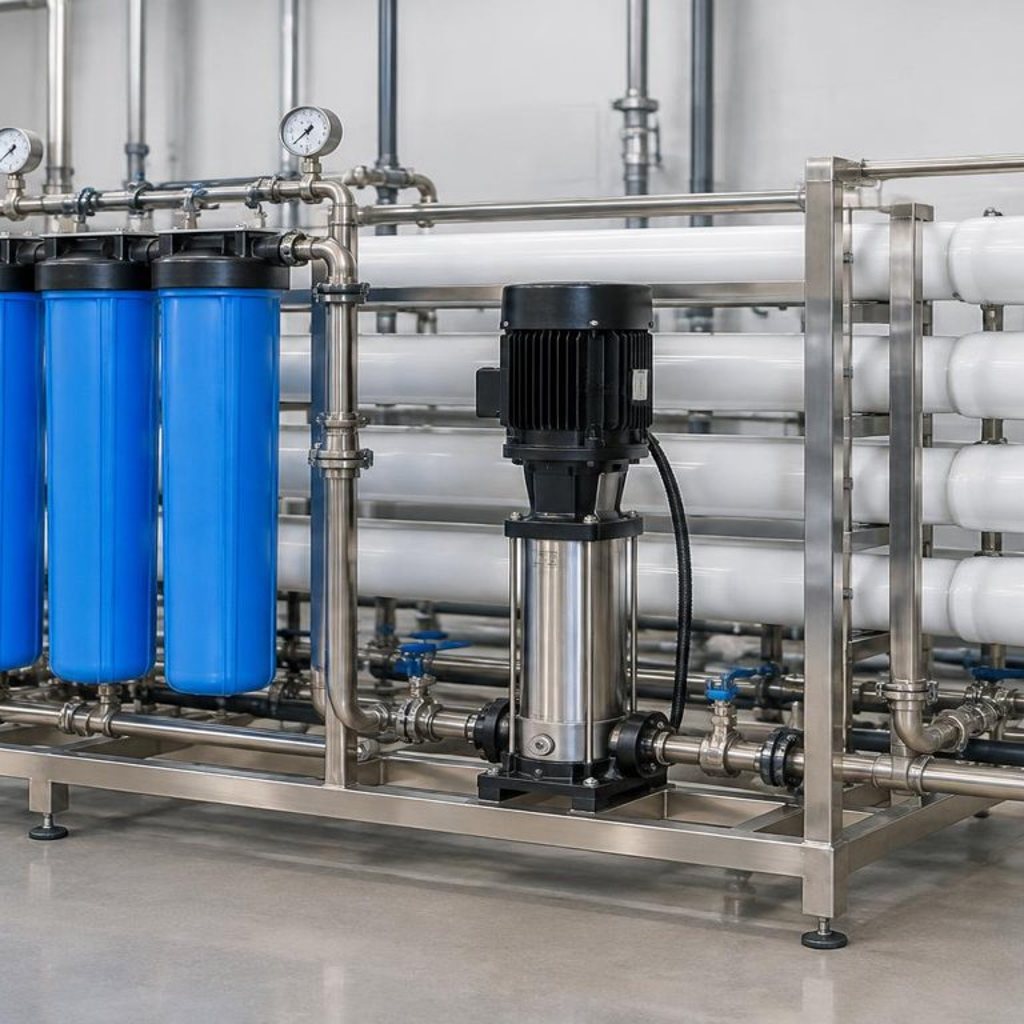
A whole-home, or point-of-entry, filtration system treats every drop of water that enters your house, before it reaches your kitchen, bathrooms, laundry and water heater. Most systems use a combination of sediment filtration to remove sand, rust and particulate, and activated carbon to reduce chlorine, chloramine, and the taste and odor problems that come with them. Some systems add a dedicated iron or sulfur stage for well water, or a UV lamp for disinfection.
Because it treats water at the source, a whole-home system protects your plumbing, water heater, and appliances from sediment and chlorine damage, and it means every tap and shower in the house benefits, not just the kitchen sink.
What a reverse osmosis system does
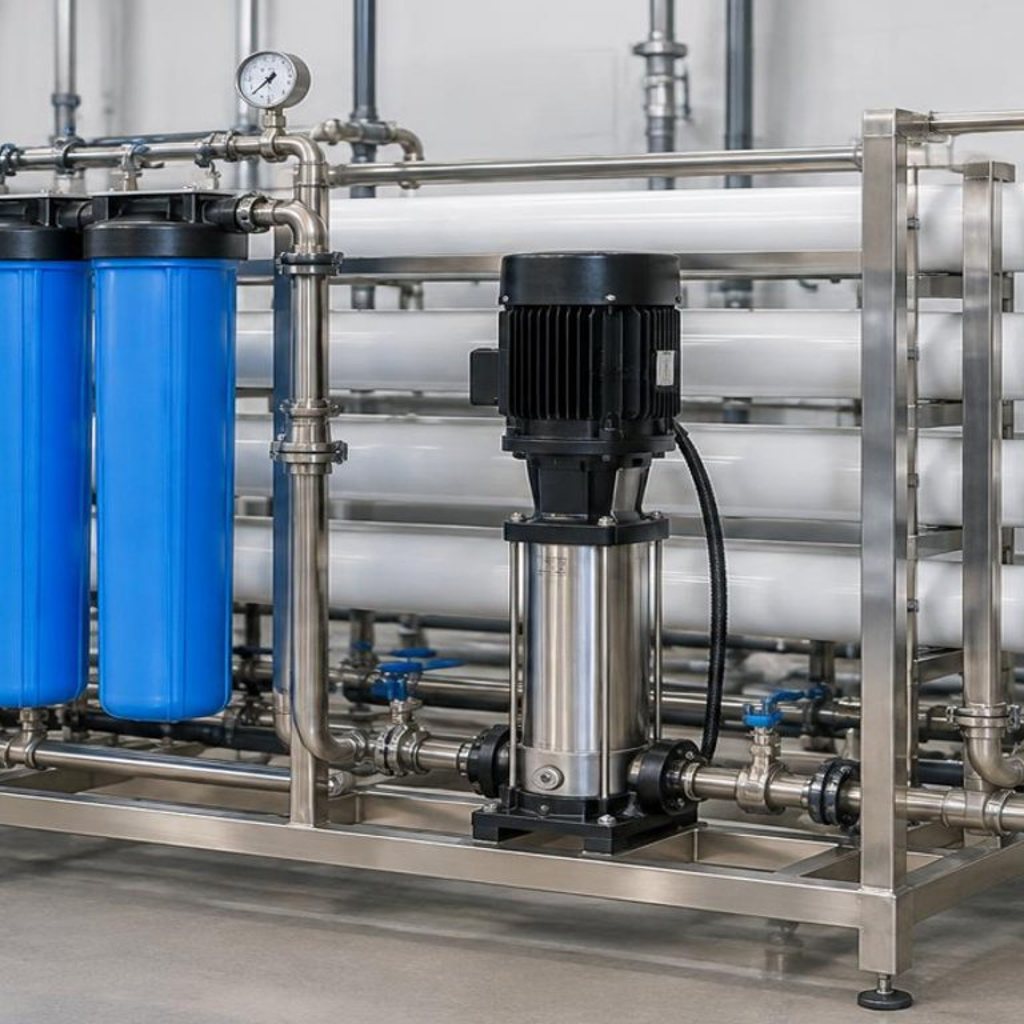
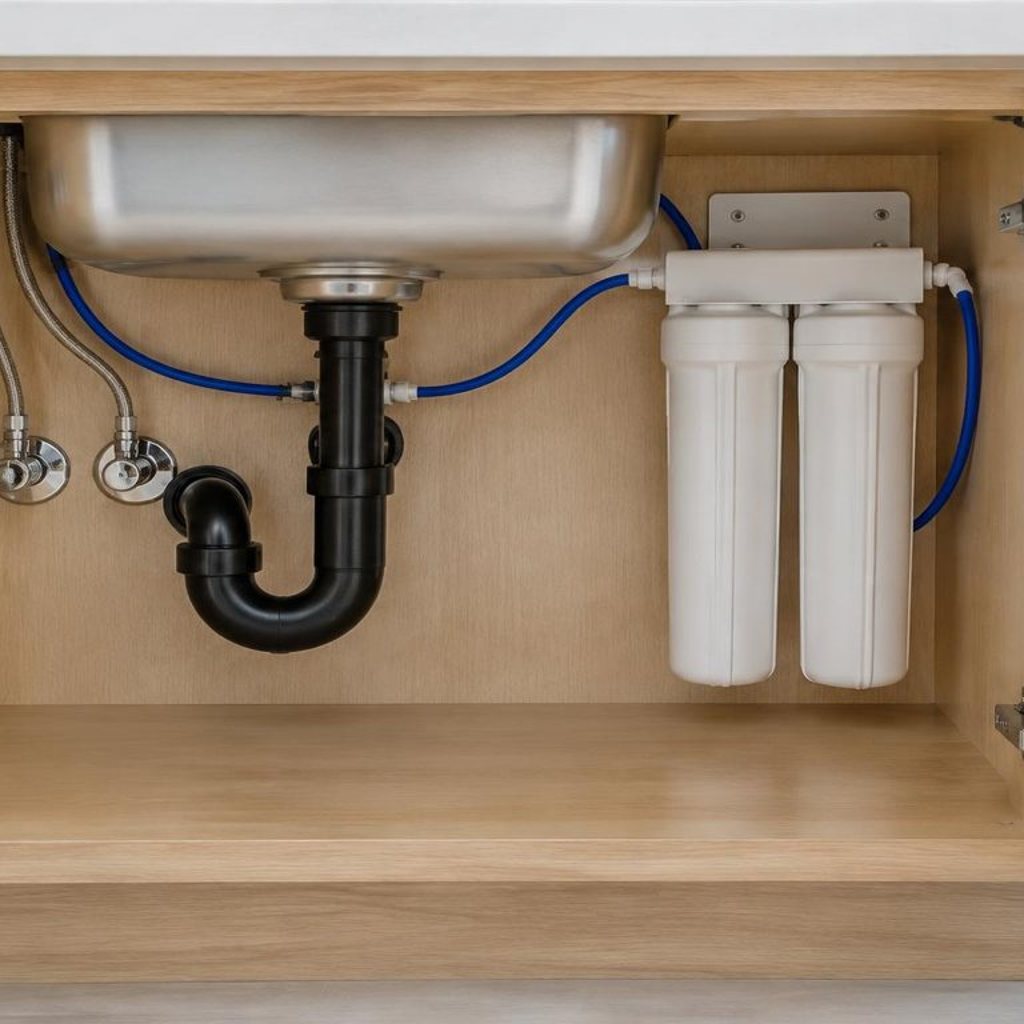
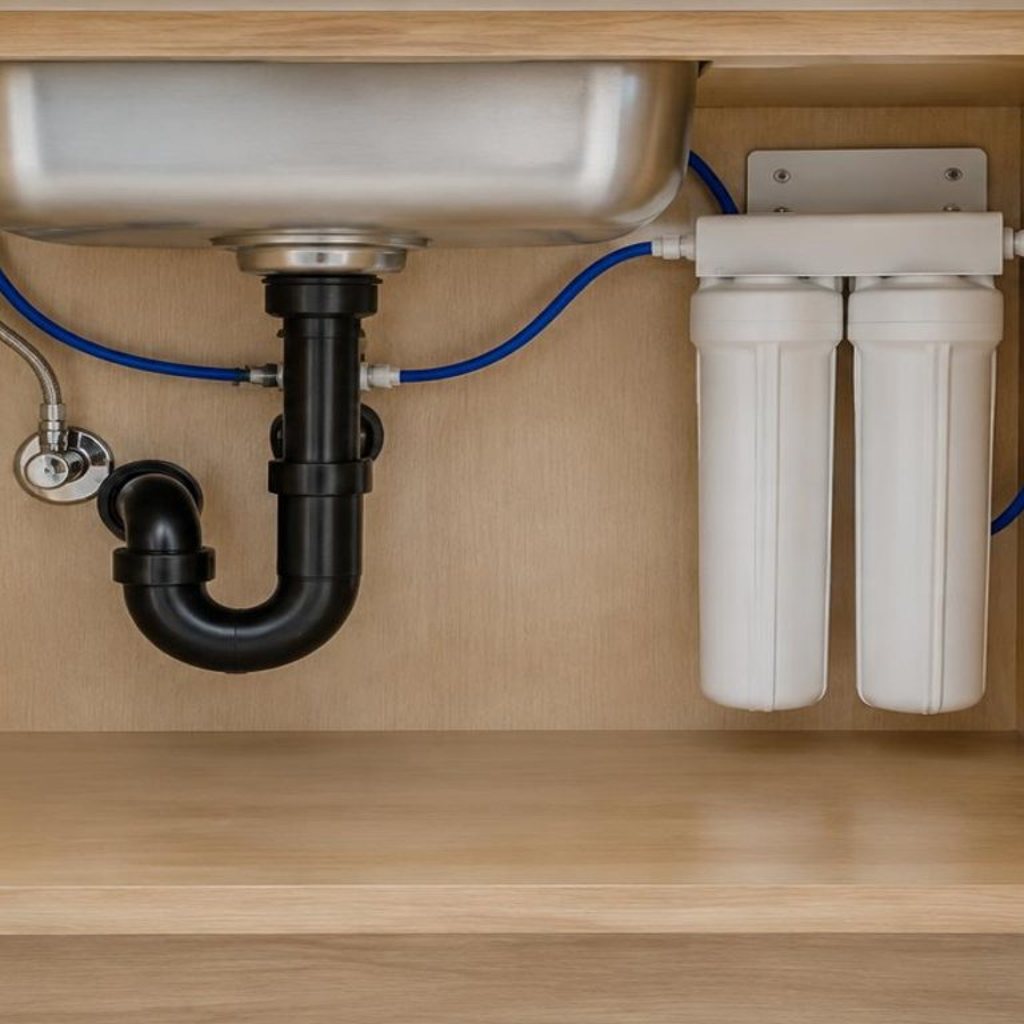
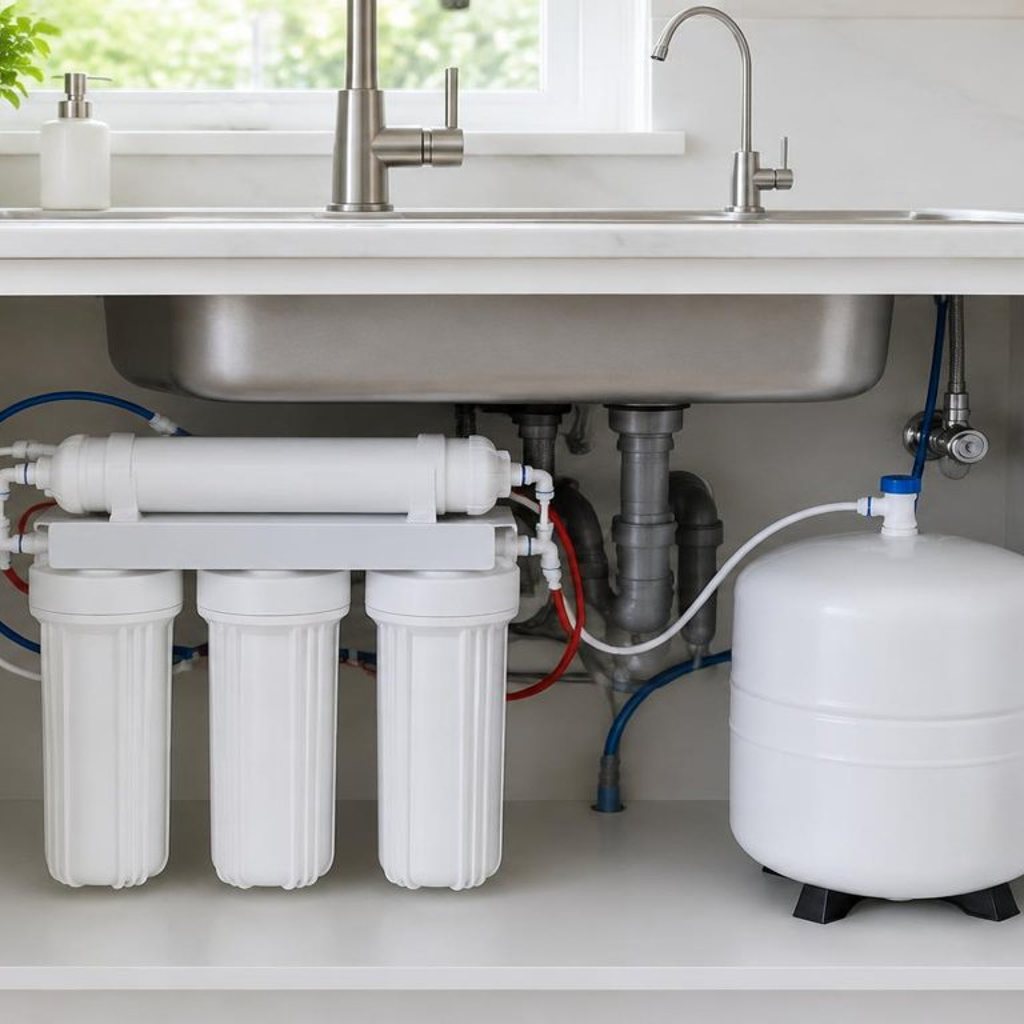
Reverse osmosis forces water through a semi-permeable membrane that blocks a very wide range of dissolved contaminants, including lead, PFAS, nitrates, arsenic and dissolved salts, that carbon filtration alone cannot remove. Most residential RO systems are installed under the kitchen sink and serve one faucet, giving you bottled-water-quality drinking and cooking water. Whole-house RO systems exist too, treating all the water in the home, but they are a bigger, more expensive installation and they produce more wastewater in the process.
Because RO removes minerals as well as contaminants, RO-treated water has a distinct clean taste that many homeowners prefer for drinking, but it is not usually intended to treat the large volume of water used for showers, laundry and irrigation.
Side-by-side comparison
Here is how the two approaches typically compare for a South Florida home:
Coverage
Whole-home filtration treats every tap in the house. Standard RO treats one faucet unless you invest in a whole-house RO system.
What it removes
Whole-home filtration is excellent against chlorine, chloramine, sediment, iron and taste/odor issues. RO goes further, reducing dissolved contaminants, heavy metals and salts that filtration alone leaves behind.
Typical installed cost
Whole-home filtration systems typically run about $850 to $5,400 installed depending on the treatment stages. Reverse osmosis systems typically run about $1,000 to $4,800 installed, with simple under-sink units costing far less than whole-house RO. These are typical national ranges; your written quote follows a water test.
Water waste
Whole-home filtration produces little to no wastewater. RO produces some reject water as part of the membrane process, more so in a whole-house configuration.
Upkeep
Both need scheduled filter changes. RO membranes typically last a few years, while RO pre- and post-filters and whole-home cartridges are changed more often, generally every few months to about a year depending on usage and water quality.
Best fit
Most homes benefit most from whole-home filtration to protect plumbing and appliances and improve everyday water, paired with an under-sink RO system for the cleanest possible drinking and cooking water.
Why many South Florida homes choose both
Whole-home filtration and reverse osmosis are not really competing products; they address different parts of the same problem. A whole-home system handles the chlorine, sediment and odor issues that affect every tap, shower and appliance in the house. An RO system then takes the water you actually drink and cook with a step further, reducing dissolved contaminants that carbon alone cannot touch.
Homes on well water in western Palm Beach County often lean more heavily on whole-home filtration to deal with iron, sulfur and sediment, then add RO at the kitchen sink for drinking water. Homes on municipal water in the coastal cities often start with a simpler whole-home carbon system to remove chlorine taste, then decide whether RO is worth adding based on what a water test shows.
What a water test tells you
The right combination of equipment depends on what is actually in your water, not on a generic recommendation. A water test checks for hardness, chlorine or chloramine levels, iron, sulfur, sediment, pH and, where relevant, contaminants like lead or nitrates that matter most to RO buyers. Municipal customers can also review their utility's annual water quality report as a starting point.
We test water on-site before recommending equipment, then put a written proposal together that explains what each component addresses and why, so you are not paying for treatment stages your water does not need.
Sizing and installation
Whole-home systems are sized to your home's water usage and peak flow rate so that pressure stays strong even when multiple fixtures run at once. RO systems are sized by the gallons-per-day the membrane can produce and typically include a storage tank so water is ready on demand rather than filtered in real time.
Both are usually straightforward installations for a licensed technician: whole-home units are plumbed in near where the main line enters the house, and RO units are plumbed under a sink or, for whole-house RO, at the point of entry alongside other equipment.
Frequently asked questions
Not always, but many South Florida homes benefit from both: whole-home filtration protects your plumbing and improves water at every tap, while an under-sink RO system gives you the cleanest possible water for drinking and cooking. A water test will tell us whether both are worth the investment for your home.
Standard under-sink RO systems use some reject water as part of filtering, though modern systems are more efficient than older designs. Whole-house RO uses more because of the volume treated. Whole-home filtration, by contrast, produces little to no wastewater.
No. Filtration removes chlorine, sediment, taste and odor issues, and some systems address iron or sulfur, but it does not remove the calcium and magnesium that cause hard water. A water softener handles hardness and can be installed alongside a filtration system.
The honest answer depends on your water. We test for chlorine, hardness, iron, sediment and other factors on-site, then recommend equipment based on what the test actually shows rather than a one-size-fits-all package.